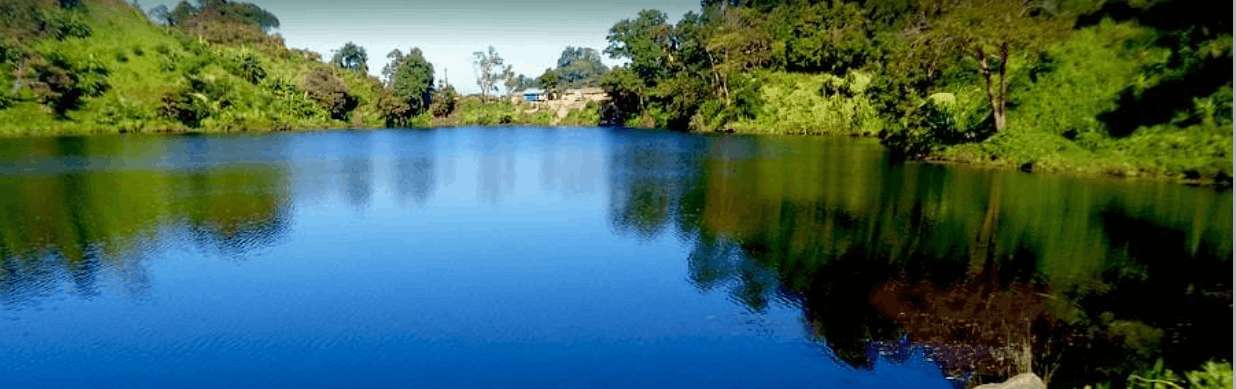

GRAUS recognizes that the sustainable development of the Chittagong Hill Tracts (CHT) is intrinsically linked to the conservation and responsible management of its rich natural resources. The CHT is characterized by unique ecological systems, extensive forest landscapes, diverse indigenous communities, and a strong dependence of local livelihoods on land, forests, water resources, and biodiversity. However, increasing pressures from climate change, environmental degradation, unsustainable land-use practices, deforestation, and natural disasters pose significant challenges to both ecosystem integrity and community well-being. In response, GRAUS adopts a community-centered and ecosystem-based approach to Natural Resource Management (NRM) and Climate Action that strengthens local governance, promotes environmental stewardship, and enhances the resilience of vulnerable populations.
GRAUS places local communities, particularly indigenous peoples and traditional institutions, at the center of natural resource governance. The organization facilitates the formation, strengthening, and institutional development of Village Common Forest (VCF) Committees, recognizing VCFs as critical community-managed conservation areas that preserve biodiversity, safeguard watershed functions, and maintain cultural heritage. Through continuous capacity-building initiatives, committee members are equipped with knowledge and skills in participatory forest management, governance, resource monitoring, conflict resolution, and sustainable utilization of natural resources.
To improve the effectiveness of community conservation efforts, GRAUS supports the demarcation and protection of Village Common Forests through participatory mapping, digital geospatial technologies, and community-led monitoring systems. These interventions help establish clear boundaries, reduce encroachment, strengthen tenure security, and facilitate evidence-based management of forest resources. The organization also promotes biodiversity conservation and ecosystem restoration through reforestation, assisted natural regeneration, enrichment planting, and the protection of indigenous tree species that contribute to ecological balance and community livelihoods.
Recognizing the close relationship between environmental sustainability and livelihood security, GRAUS promotes sustainable agricultural and land management practices suitable for the hilly terrain of the CHT. The organization encourages climate-smart and conservation-oriented farming approaches, including agroforestry, mixed cropping, organic agriculture, soil and water conservation measures, contour cultivation, and integrated watershed management. These practices help reduce soil erosion, improve soil fertility, enhance productivity, and minimize pressure on forest ecosystems.
GRAUS also supports livelihood diversification initiatives that reduce dependence on unsustainable resource extraction while creating income opportunities for rural households. By integrating sustainable value chains, indigenous knowledge, and environmentally friendly enterprises, communities are better positioned to achieve economic resilience without compromising natural resources.
The Chittagong Hill Tracts are increasingly vulnerable to climate-induced hazards such as erratic rainfall, prolonged droughts, landslides, flash floods, water scarcity, and biodiversity loss. GRAUS integrates Climate Action throughout its development programming to address these emerging challenges and strengthen community resilience.
The organization promotes climate-resilient agricultural practices, drought-tolerant crop varieties, water harvesting systems, ecosystem restoration, and nature-based solutions that help communities adapt to changing climatic conditions. Reforestation and forest restoration initiatives are implemented not only to restore degraded landscapes but also to enhance carbon sequestration, stabilize slopes, conserve water resources, and reduce disaster risks.
GRAUS conducts community awareness and capacity-building programs to improve understanding of climate change impacts, environmental risks, and locally appropriate adaptation strategies. Through participatory learning processes, communities gain practical knowledge on climate risk assessment, disaster preparedness, sustainable resource management, and adaptive livelihood planning. Special attention is given to integrating indigenous knowledge systems with scientific approaches to strengthen locally relevant climate solutions.
Given the vulnerability of many CHT communities to landslides, floods, and extreme weather events, GRAUS supports community-based disaster risk reduction (DRR) initiatives as a key component of its climate action framework. The organization facilitates hazard mapping, community contingency planning, early warning awareness, and resilience-building interventions that help reduce risks and improve preparedness. By strengthening local institutions and community networks, GRAUS contributes to the development of proactive mechanisms for managing environmental and climate-related threats.
GRAUS recognizes that women, indigenous peoples, youth, persons with disabilities, and other marginalized groups often face disproportionate impacts from environmental degradation and climate change while having limited influence over decision-making processes. Therefore, the organization promotes inclusive and equitable participation in natural resource governance and climate adaptation initiatives.
Women are actively encouraged to take leadership roles within VCF Committees, community-based organizations, and climate action platforms. GRAUS ensures that gender-responsive approaches are integrated into planning, implementation, and monitoring processes, enabling women and marginalized groups to contribute their knowledge, priorities, and solutions to environmental management and climate resilience efforts.
Through its integrated approach to Natural Resource Management and Climate Action, GRAUS contributes to the long-term sustainability, resilience, and prosperity of communities in the Chittagong Hill Tracts. By strengthening community institutions, conserving forests and biodiversity, promoting climate-smart livelihoods, enhancing disaster preparedness, and ensuring inclusive governance, GRAUS supports a development pathway that balances environmental conservation with socio-economic advancement. These efforts not only protect critical natural resources but also empower communities to adapt to climate change, safeguard their cultural heritage, and build a more resilient and sustainable future for the CHT region.