

courtyard session
ASTHA project
The story of GRAUS (Gram Unnayan Sangathon) is a story of commitment, resilience, and transformation. Since its establishment in 1998, GRAUS has stood beside the poor, marginalized, and vulnerable communities of Bangladesh with a clear purpose-to create a society where every individual can live with dignity, free from poverty, hunger, discrimination, and injustice.
Born from a vision of social equity and human development, GRAUS began its journey in the remote and underserved areas of the Chittagong Hill Tracts (CHT), where many indigenous and marginalized communities faced persistent challenges related to poverty, food insecurity, limited access to healthcare and education, environmental degradation, and social exclusion. Recognizing these realities, GRAUS committed itself to becoming a people-centered development organization that places communities at the heart of every intervention.
From the very beginning, GRAUS has believed that sustainable development can only be achieved through the active participation and empowerment of local people. Guided by this principle, the organization has worked tirelessly to strengthen community capacities, promote self-reliance, and create opportunities for vulnerable populations to improve their lives and livelihoods.
Over the past twenty-five years, GRAUS has evolved into one of the most dynamic and trusted development organizations in the Chittagong Hill Tracts. Its development efforts are guided by national development priorities and the Sustainable Development Goals (SDGs), ensuring that local actions contribute to broader global commitments for poverty reduction, equality, environmental sustainability, and human well-being.
Today, GRAUS envisions a socio-economically sustainable society where all people enjoy equal rights and opportunities, where no family suffers from hunger, and where poverty no longer determines a person’s future. To achieve this vision, the organization works to improve access to diversified food production and nutrition, quality healthcare services, economic opportunities, safe water and sanitation, disaster preparedness, climate resilience, and sustainable natural resource management.
What began as a modest initiative has grown into a large-scale development organization serving communities throughout the three hill districts of the Chittagong Hill Tracts. GRAUS currently operates across seven Upazilas of Bandarban Hill District and directly benefits approximately 100,000 poor and vulnerable people.
The organization proudly serves all eleven ethnic communities living in the region, alongside Bengali populations, promoting social inclusion, cultural diversity, and equal access to development opportunities. As an indigenous people-led organization, GRAUS possesses deep local knowledge and cultural understanding that enables it to effectively address community needs while respecting traditional values and practices.
The organization is governed by a dynamic and visionary General Board and Executive Board, composed of experienced development leaders committed to advancing community-driven change. Supporting this leadership is a dedicated workforce of 253 gender-sensitive and ethnically diverse professionals who bring expertise, innovation, and commitment to every aspect of program implementation.
Lorem ipsum dolor sit amet, consectetur adipiscing elit. Ut elit tellus, luctus nec ullamcorper mattis, pulvinar dapibus leo.
Throughout its journey, GRAUS has built strong partnerships with national and international organizations, government agencies, and development actors. The organization has collaborated with prominent institutions including the World Food Programme (WFP), UNICEF, UNDP-CHTDF, FAO, World Vision, Helen Keller International, BRAC, CARE, United Purpose, Solidarités International, WorldFish, Simavi Netherlands, Manusher Jonno Foundation, NGO Forum for Public Health, Partners in Health and Development (PHD), Bangladesh Society for the Enforcement of Human Rights (BSEHR), the Department of Women’s Affairs, and the Bandarban Hill District Council.
Equally important has been GRAUS’s commitment to strengthening local organizations. Through strategic partnerships and technical support, the organization has worked alongside community-based and local partner organizations such as SANGRAI, Humanitarian Foundation, AKS, BNKS, Tahzingdong, and Kothowain, enhancing local capacities and ensuring sustainable development outcomes.
ASTHA project
Over the last quarter century, GRAUS has implemented a wide range of development initiatives that have transformed lives and strengthened communities.
The organization has made significant contributions to improving livelihoods, food security, and nutrition by helping vulnerable families increase agricultural productivity, diversify income sources, and access nutritious food. Through climate-smart agriculture and sustainable farming practices, thousands of households have enhanced their food security while protecting natural resources.
Recognizing the growing impacts of climate change and natural disasters, GRAUS has invested heavily in disaster risk reduction, emergency response, and community resilience-building. These initiatives have enabled vulnerable communities to better prepare for, respond to, and recover from natural hazards and environmental shocks.
Environmental sustainability remains a cornerstone of GRAUS’s work. Through climate adaptation programs, biodiversity conservation efforts, and sustainable natural resource management initiatives, the organization promotes a balance between economic development and environmental protection.
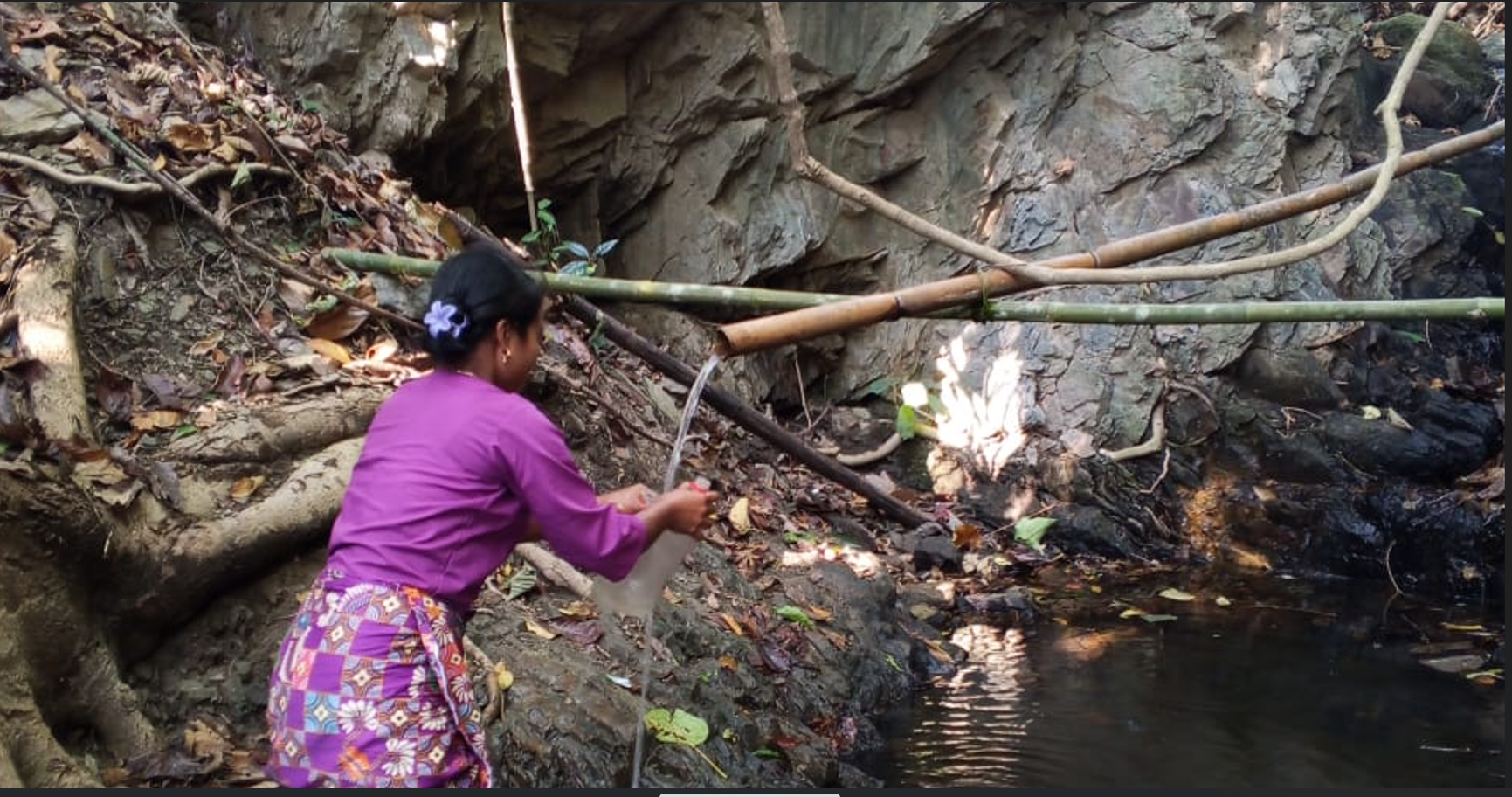
Access to clean water, sanitation, and hygiene has also been a major focus area. Through comprehensive WASH programs, GRAUS has helped improve public health conditions, reduce waterborne diseases, and ensure safer living environments for rural communities.
In education, GRAUS has pioneered multilingual primary education initiatives, ensuring that children from diverse ethnic backgrounds can learn in their native languages while gaining access to quality education. These efforts have contributed significantly to educational inclusion and improved learning outcomes among indigenous children.
The organization has also made substantial investments in healthcare, particularly reproductive health, maternal and child healthcare, and primary healthcare services. By reaching remote and underserved populations, GRAUS has helped improve health outcomes for women, children, and vulnerable families.
Youth and adolescent empowerment programs have equipped young people with essential life skills, leadership opportunities, vocational training, and pathways to economic independence. Through these initiatives, GRAUS is nurturing the next generation of community leaders and change-makers.
Additional interventions have included aquaculture development, cash-for-work programs, income-generating activities, child sponsorship programs, social protection initiatives, and community-based economic development projects. These efforts have strengthened household resilience and created sustainable opportunities for economic advancement.
GRAUS has also championed human rights, gender equality, and social justice. Its work in Sexual and Reproductive Health and Rights (SRHR), prevention of Gender-Based Violence (GBV), and women’s empowerment has contributed to safer, more inclusive communities where vulnerable groups can exercise their rights and access essential services.
Furthermore, the organization has supported traditional justice systems and community-led conflict resolution mechanisms, helping preserve indigenous governance structures while promoting social harmony and peaceful coexistence.

As GRAUS has expanded its impact, it has also strengthened its institutional systems and operational capacity. The organization maintains a modern software-based financial management system, robust internal controls, database recovery mechanisms, and digital monitoring and reporting systems that support transparency, accountability, and evidence-based decision-making.
To ensure high standards of governance and financial integrity, GRAUS employs dedicated internal audit and financial management personnel. Real-time monitoring systems allow for efficient tracking of project progress and outcomes, enhancing program effectiveness and accountability to stakeholders.
The organization also possesses significant logistical and technical resources. Its centrally located warehouse supports emergency relief operations and disaster response activities, while its 50-acre demonstration farm serves as a practical learning center where farmers receive hands-on training in sustainable and organic agricultural practices.
Throughout every stage of its journey, GRAUS has recognized that sustainable development cannot be achieved without gender equality. Gender remains a cross-cutting priority across all programs and interventions. The organization actively promotes women’s participation, leadership, and decision-making while ensuring equitable access to resources, services, and opportunities for all members of society.
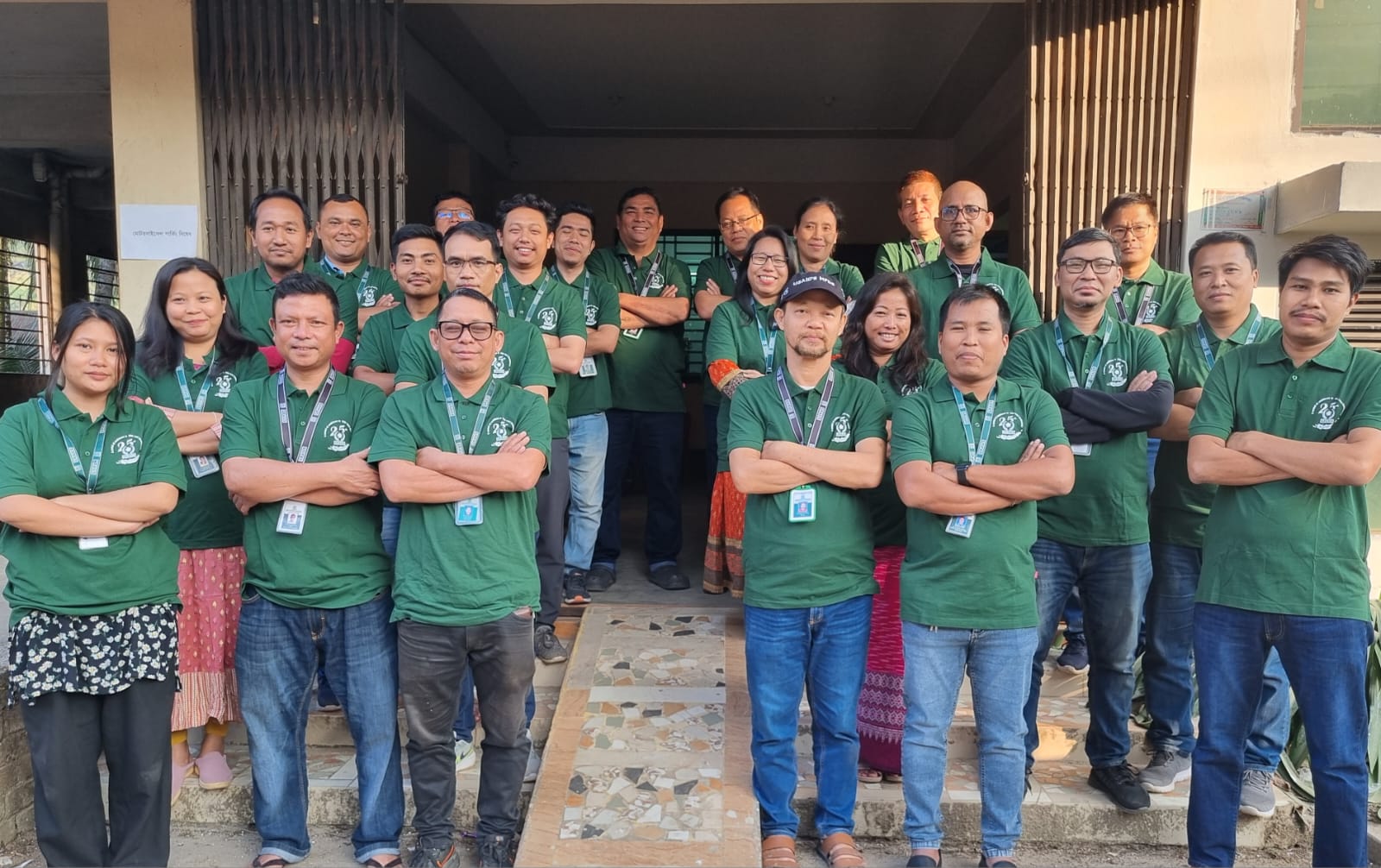
As GRAUS enters its next chapter, the organization remains firmly committed to its founding values of inclusion, empowerment, and social justice. Building on more than twenty-five years of experience, partnerships, and community trust, GRAUS continues to embrace innovation, respond to emerging challenges, and create opportunities for sustainable development.
The story of GRAUS is ultimately the story of thousands of families who have gained hope, resilience, and opportunity. It is a story of communities overcoming adversity, preserving their cultural heritage, protecting their environment, and building a brighter future together.
With unwavering dedication and strong community partnerships, GRAUS will continue its mission of transforming lives and advancing sustainable development- ensuring that no one is left behind.
consectetur adipiscing elit. Ut elit tellus, luctus nec ullamcorper mattis, pulvinar dapibus leo.