


Welcome to GRAUS (Gram Unnayon Sangathon), a trusted indigenous people-led development organization dedicated to empowering marginalized communities across the Chittagong Hill Tracts of Bangladesh. For more than 25 years, we have been driving meaningful change through inclusive, community-led, and sustainable development.
We work hand in hand with all eleven ethnic communities alongside Bengali populations, fostering dignity, opportunity, and resilience. Our efforts focus on transforming lives through livelihoods, health, education, nutrition, climate resilience, WASH, gender equality, youth empowerment, and disaster resilience.
At GRAUS, we believe development begins with people. Together, we are building stronger communities and a more inclusive and sustainable future for all.
GRAUS partners with communities, governments, and global development agencies to reduce poverty, strengthen resilience, and create inclusive opportunities across the Chittagong Hill Tracts.
GRAUS (Gram Unnayan Sangathon) was established in 1998 in Bandarban by a group of committed indigenous leaders and development practitioners who envisioned a society free from poverty, discrimination, and injustice. Founded on the principles of community participation, social inclusion, and sustainable development, GRAUS began its journey to stand alongside the poor and marginalized communities of the Chittagong Hill Tracts (CHT), helping them overcome socio-economic challenges and improve their quality of life.
What started as a small community-based initiative has evolved into one of the leading indigenous people-led development organizations in the CHT. Over the past 25 years, GRAUS has continuously expanded its reach and diversified its interventions to address the changing needs of vulnerable communities. Through strong community engagement and partnerships, the organization has worked across all eleven ethnic communities of the CHT as well as Bengali populations, directly benefiting approximately 100,000 people.
Throughout its history, GRAUS has implemented impactful programs in livelihoods, food security and nutrition, health, education, WASH, climate adaptation, disaster resilience, youth empowerment, gender equality, SRHR, GBV prevention, social cohesion, and natural resource management. The organization has also pioneered multilingual education initiatives and promoted sustainable agriculture and biodiversity conservation in the region.
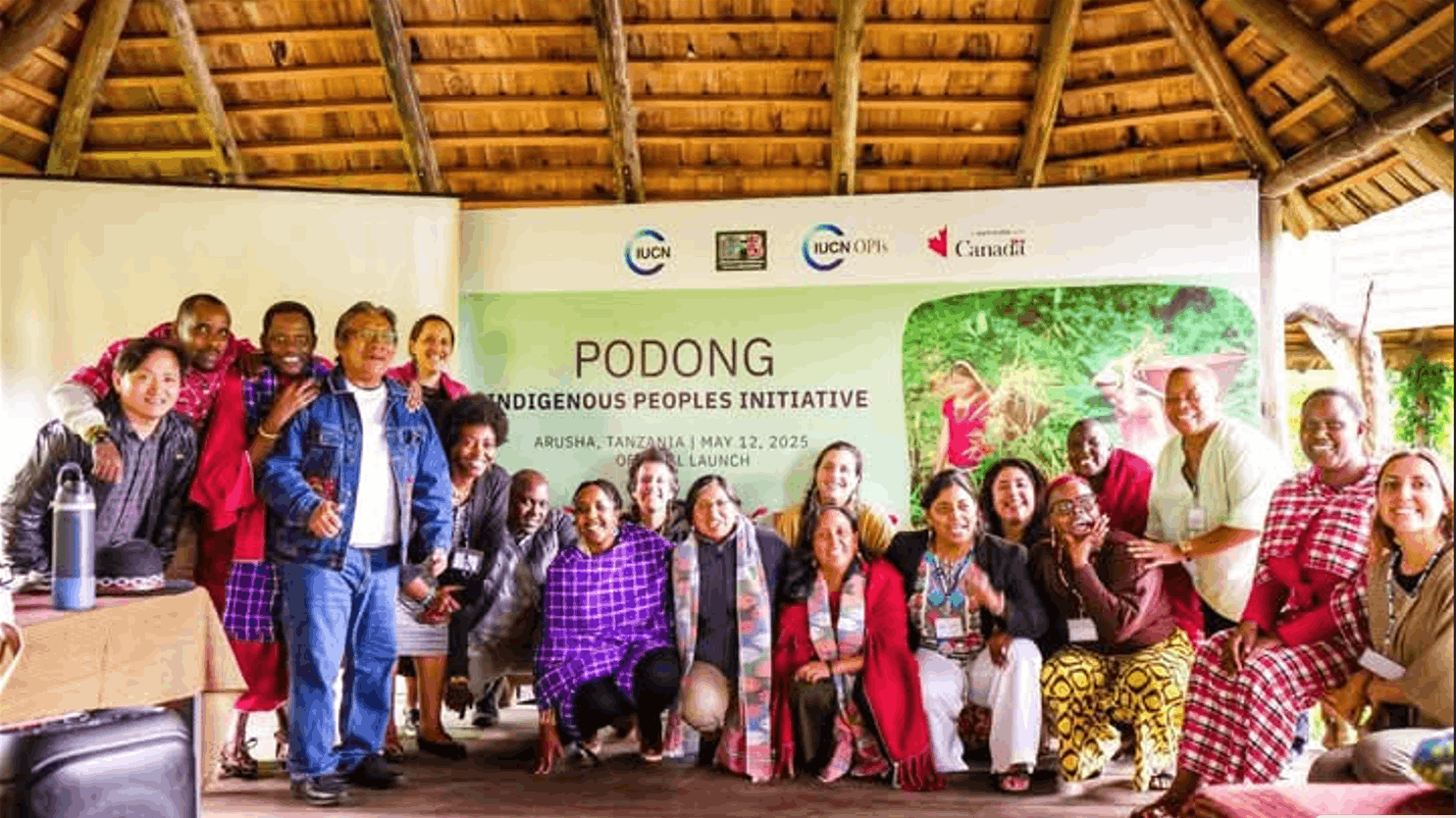
Our work is supported by esteemed development partners and donors, including USAID, the European Union (EU), the Embassy of Switzerland, the Embassy of Sweden, AusAID, UK Aid, Comic Relief, Cordaid, and the Nagarikata Civic Engagement Fund (CEF). We have also collaborated with leading international agencies and technical partners such as the World Food Programme (WFP), UNICEF, UNDP, CARE, Save the Children, World Vision, and Helen Keller International to deliver innovative and sustainable development solutions across the region.
Today, GRAUS is recognized nationally and connected internationally through its registration with the NGO Affairs Bureau and the Department of Social Services, as well as its membership in the International Union for Conservation of Nature (IUCN) and the International Indigenous Forum on Biodiversity (IIFB). Guided by its founding vision and strengthened by decades of experience, GRAUS continues to empower communities and contribute to a resilient, inclusive, and sustainable future for the people of the Chittagong Hill Tracts.
At GRAUS, we believe lasting change begins with empowered communities. Together with our partners, we continue to build a more resilient, inclusive, and sustainable future for the people of the Chittagong Hill Tracts.
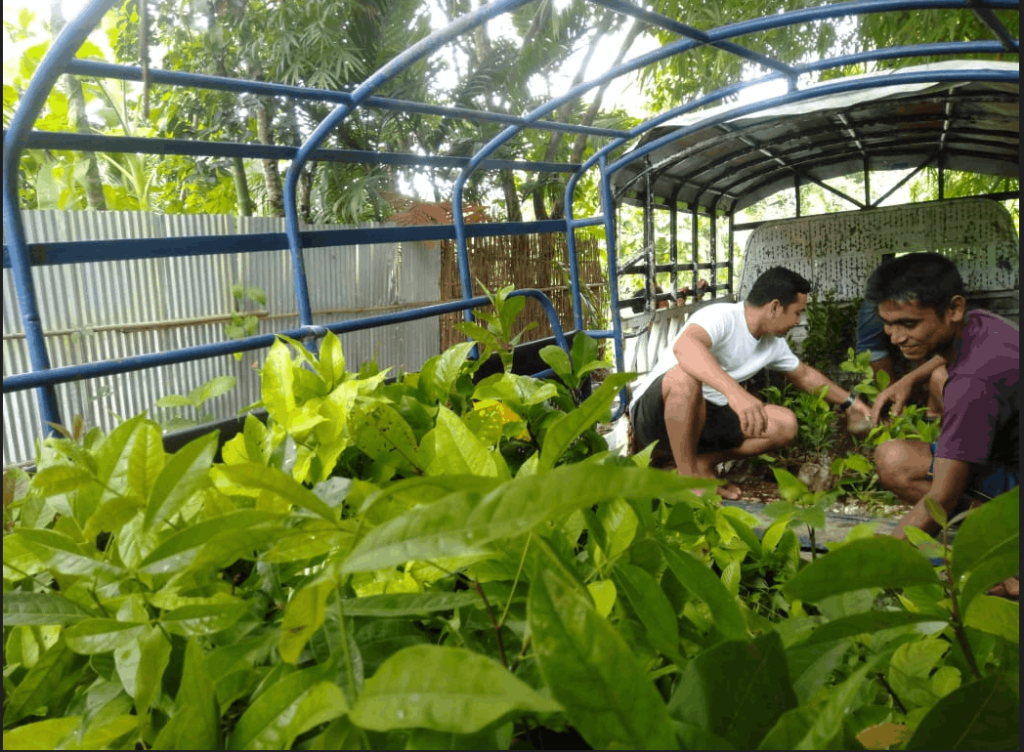
GRAUS continues to expand its footprint beyond boundaries, shaping a smarter and more connected future.
Crisis to change: Fighting Poverty and Hunger Together
Empowering Lives: Sustainable Health, Hygiene, and Nutrition Practices
Unlocking Potential: Transforming communities with Education & Technical Vocational Training
Awareness to action: Promoting Basic Human Rights for Every Life
Towards Sustainable and resilient Communities through Integrated Natural Resource Management and Climate Action.
Achieving Economic Development and Resilient Livelihood through Climate Adaptive Sustainable Agricultural Practices.
Empowering Futures through Innovation, organizational Excellence and Inclusive GRAUS


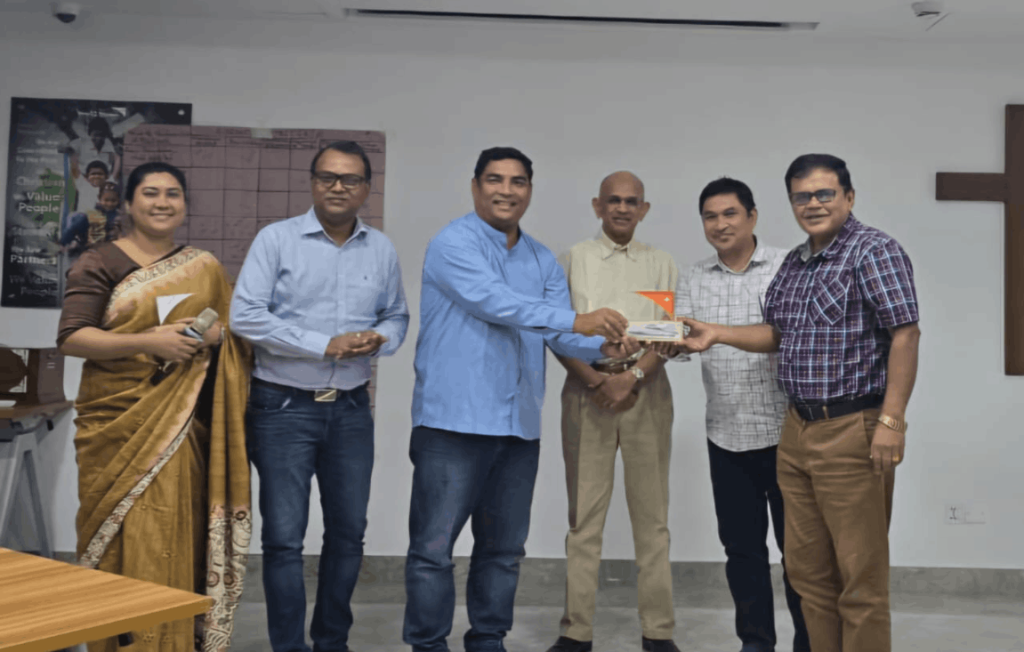
GRAUS has been honored by World Vision Bangladesh as the Best Performer in Financial Management 2025. This prestigious recognition celebrates GRAUS’s integrity, accountability, and outstanding stewardship in managing resources for impactful community development.
✨ A proud milestone that sets a benchmark for financial excellence.