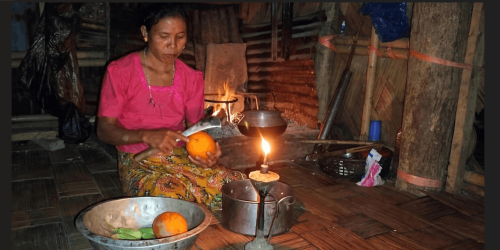
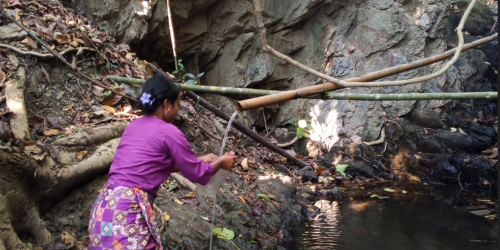
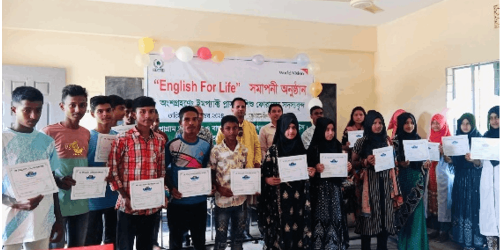
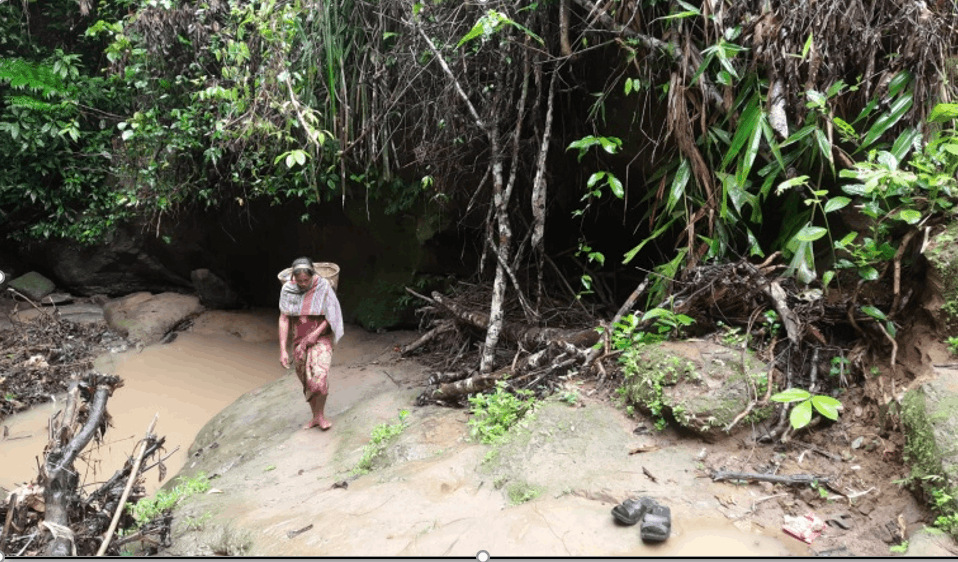
GRAUS is a trusted community-based development organization working to unlock the potential of indigenous and vulnerable communities across the Chittagong Hill Tracts. Since 1998, GRAUS has supported people to shape their own development through participatory approaches that promote resilient livelihoods, health, nutrition, education, climate adaptation, gender equality, social inclusion, and stronger community institutions.
GRAUS (Gram Unnayon Sangathon) is an indigenous people-led, non-profit and non-political development organization working in the Chittagong Hill Tracts (CHT) of Bangladesh. Established in Bandarban on 18 April 1998, GRAUS was founded by a group of indigenous leaders and development-minded individuals who shared a vision of creating greater opportunities for people living in remote and underserved communities. Emerging in the changing development context following the signing of the Chittagong Hill Tracts Peace Accord-1997, GRAUS began as a grassroots development organization with a strong commitment to improving the socio-economic well-being, dignity and resilience of marginalized communities across the CHT.
From its humble beginning with a five-member executive committee, GRAUS gradually developed into a recognized development organization. GRAUS obtained Voluntary Organization Registration on 30 September 1999 from the Department of Social Services, Government of Bangladesh, under Registration No. Band-121/99, Bandarban Hill District. It was subsequently registered with the NGO Affairs Bureau, Government of Bangladesh, under Registration No. 2144 on 9 October 2006. GRAUS is also a member of the International Union for Conservation of Nature (IUCN) under Membership No. IP/25322, obtained in 2013, and has been a member of the International Indigenous Forum for Biodiversity (IIFB) since August 2023. These milestones strengthened the organization’s institutional foundation and enabled it to expand its partnerships, programmes and development outreach across the region.
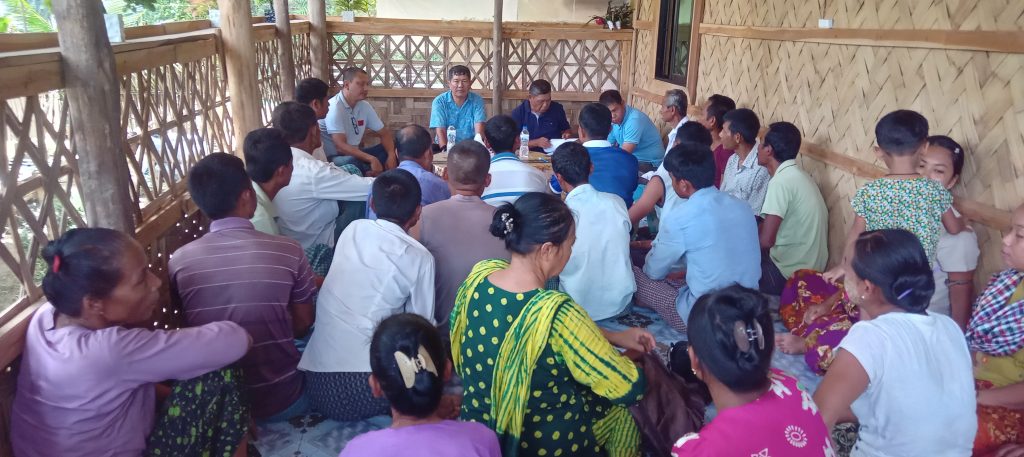
For more than 25 years, GRAUS has worked closely with indigenous and Bengali communities, embracing the principle that sustainable change begins with empowered people and strong local institutions. Our work is grounded in community participation, inclusion, equity, cultural diversity, accountability and locally led development. We believe communities are not simply beneficiaries of development; they are essential partners and decision-makers in identifying challenges, shaping solutions and creating lasting change. Working across the diverse social and geographical context of the CHT, GRAUS places local knowledge, community priorities and lived experiences at the heart of its programmes.
Over the past two decades, GRAUS has evolved into one of the Chittagong Hill Tracts’ leading indigenous development organizations, delivering integrated solutions that improve lives and strengthen community resilience. GRAUS has built extensive experience in integrated development programming, addressing the interconnected challenges that affect the well-being and resilience of remote communities. Our work spans health systems strengthening, maternal, newborn and child health, nutrition, WASH, quality education, sustainable livelihoods, climate-smart agriculture, natural resource management, disaster risk reduction, humanitarian response, gender equality, women’s and youth empowerment, social cohesion, and local governance. Through these interventions, we have directly improved the lives of approximately 100,000 people living in some of Bangladesh’s most remote and underserved communities.
Our impact is built on a strong record of delivery. Since 1998, GRAUS has successfully implemented more than 40 development projects and continues to lead innovative programmes that strengthen local systems, improve access to essential services, build climate resilience, and create sustainable economic opportunities. Every initiative reflects our commitment to locally led development, evidence-based programming, accountability, and measurable impact.
GRAUS combines deep local roots with professional development capacity. Our understanding of the CHT’s cultural, social, environmental and geographic realities enables us to develop context-sensitive approaches that respond to the priorities of communities while meeting professional standards of programme management and accountability. Supported by an experienced multidisciplinary team, institutional systems, sound financial management, digital monitoring and evidence-based decision-making, GRAUS is committed to delivering programmes that are effective, transparent, accountable and capable of producing measurable and sustainable results.
Collaboration is at the heart of our success. GRAUS works in close partnership with the Government of Bangladesh, local government institutions, community-based organizations, civil society, research institutions, and a wide range of international development partners. Our work has been supported by renowned donors and funding agencies, including USAID, the European Union (EU), the Embassy of Switzerland, the Embassy of Sweden, Australian Aid (AusAID), UK Aid, Comic Relief, Cordaid, World Vision, and the Nagarikata Civic Engagement Fund (CEF). We have also collaborated with leading international organizations such as UNICEF, the World Food Programme (WFP), UNDP, CARE, Helen Keller International, BRAC, WorldFish, FAO, Save the Children, and Simavi, enabling us to deliver innovative, high-quality, and sustainable development solutions across the region.
Looking ahead, GRAUS remains committed to strengthening resilient communities, expanding inclusive opportunities, protecting natural resources and improving equitable access to essential services across the Chittagong Hill Tracts. Guided by the Sustainable Development Goals (SDGs) and Bangladesh’s national development priorities, we continue to invest in locally led solutions, stronger institutions, climate resilience and inclusive development. Our ambition is to help create communities where people can live with dignity, overcome vulnerability, realize their potential and actively contribute to a more healthy, resilient, equitable and sustainable future.
GRAUS- rooted in communities, strengthened by partnership, and driven by sustainable change.