

GRAUS empowers beneficiaries- including women and youth in the Chittagong Hill Tracts- with skills, entrepreneurship, and climate‑smart enterprises. From banana fiber and honey to coffee, cashew, mushrooms, and women‑led livestock services, GRAUS drives innovation, market access, and resilience- reducing poverty and building inclusive, sustainable local economies.
GRAUS promotes sustainable livelihoods and inclusive economic development as a core component of its efforts to reduce poverty and strengthen the resilience of communities in the Chittagong Hill Tracts (CHT). The region is characterized by geographical isolation, limited market access, inadequate infrastructure, climate-related vulnerabilities, and a high dependence on subsistence agriculture. These challenges often restrict income opportunities for rural households, particularly among Indigenous peoples, women, youth, and other marginalized groups. In response, GRAUS implements a range of livelihood and enterprise development interventions that enhance household incomes, diversify economic opportunities, and strengthen local economies.
A central element of GRAUS’s livelihood strategy is capacity building through vocational and skills development training. The organization provides technical and entrepreneurial training tailored to local market demands and the socio-economic context of the CHT. These programs equip community members with practical skills that enable them to engage in productive economic activities, establish small enterprises, and access alternative income sources beyond traditional farming. By improving technical competencies and business skills, GRAUS helps households diversify their livelihoods, reduce economic vulnerability, and build greater resilience to environmental and market shocks.
Recognizing the importance of local leadership and community ownership, GRAUS promotes community empowerment through the formation and strengthening of producer groups, savings groups, cooperatives, and community-based organizations. These platforms encourage collective action, strengthen social capital, and enhance the ability of community members to access services, negotiate better market conditions, and advocate for their economic interests. The organization also supports leadership development among women and youth, enabling them to play more active roles in local economic decision-making and community development processes.
To address one of the major constraints faced by rural producers in the CHT- limited access to markets- GRAUS facilitates value chain development and market linkage initiatives. The organization works with smallholder farmers, producer groups, traders, private sector actors, and service providers to improve market access, increase product quality, and enhance the competitiveness of local products. Through value chain interventions, producers receive support in production planning, post-harvest handling, quality assurance, packaging, and collective marketing. These efforts help farmers and entrepreneurs secure better prices for their products and increase their participation in local, regional, and national markets.
Entrepreneurship development is another important focus area of GRAUS’s economic empowerment programming. The organization provides aspiring and existing entrepreneurs with training on business planning, financial literacy, bookkeeping, market analysis, and enterprise management. Beneficiaries are supported in identifying viable business opportunities, developing business strategies, and managing financial resources effectively. By strengthening entrepreneurial capacities, GRAUS helps community members transform small-scale economic activities into sustainable and profitable enterprises.
In the context of the CHT, where unique ecological conditions create opportunities for specialized products, GRAUS actively promotes niche market development. The organization supports environmentally sustainable and market-oriented enterprises that capitalize on the region’s natural resources and comparative advantages. These include the production and commercialization of banana fiber, honey, coffee, cashew nuts, mushrooms, and vermi-compost. Such value-added products offer significant potential for income generation while encouraging sustainable resource management practices.
Banana fiber production, for example, transforms agricultural waste into commercially valuable products, creating additional income streams for farming households and women’s groups. Honey production supports both livelihood development and biodiversity conservation by promoting environmentally friendly beekeeping practices. Similarly, coffee and cashew cultivation are increasingly recognized as high-value crops suitable for the hill ecosystems of Bandarban, Rangamati, and Khagrachari, offering long-term economic opportunities for farmers. Mushroom cultivation provides a low-cost, space-efficient enterprise option that can be adopted by land-poor households, while vermi-compost production contributes to both income generation and sustainable agricultural practices by promoting organic fertilizer production.
Women’s economic empowerment is a cross-cutting priority throughout GRAUS’s livelihood interventions. The organization works to ensure that women have equitable access to training, productive assets, market opportunities, and decision-making processes. Special initiatives support women-led enterprises and income-generating activities that can be managed alongside household responsibilities. One notable example is the promotion of Women Livestock Health Volunteers (WLHVs), who receive specialized training in animal health services and livestock management. These women serve as community-based service providers, improving livestock productivity while generating income through the provision of veterinary and advisory services. The initiative not only strengthens local livestock systems but also enhances women’s social status, leadership, and economic independence.
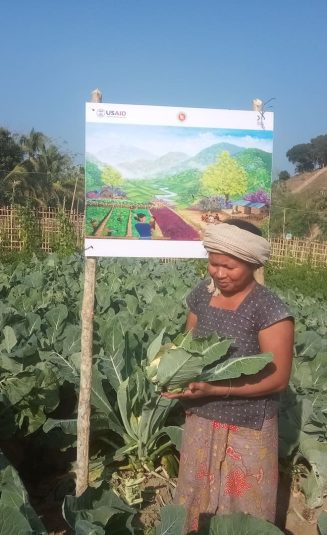
GRAUS also promotes climate-resilient livelihood approaches to help communities adapt to changing environmental conditions. By integrating sustainable agricultural practices, diversified farming systems, natural resource management, and eco-friendly enterprises into livelihood programming, the organization supports long-term economic sustainability while protecting the fragile ecosystems of the CHT.
Through its integrated livelihood and economic development initiatives, GRAUS contributes to poverty reduction, income diversification, market inclusion, and community resilience across the Chittagong Hill Tracts. By strengthening skills, entrepreneurship, value chains, and niche market opportunities, while prioritizing the participation of women, Indigenous peoples, and vulnerable groups, the organization helps create sustainable pathways toward economic empowerment and inclusive local development.